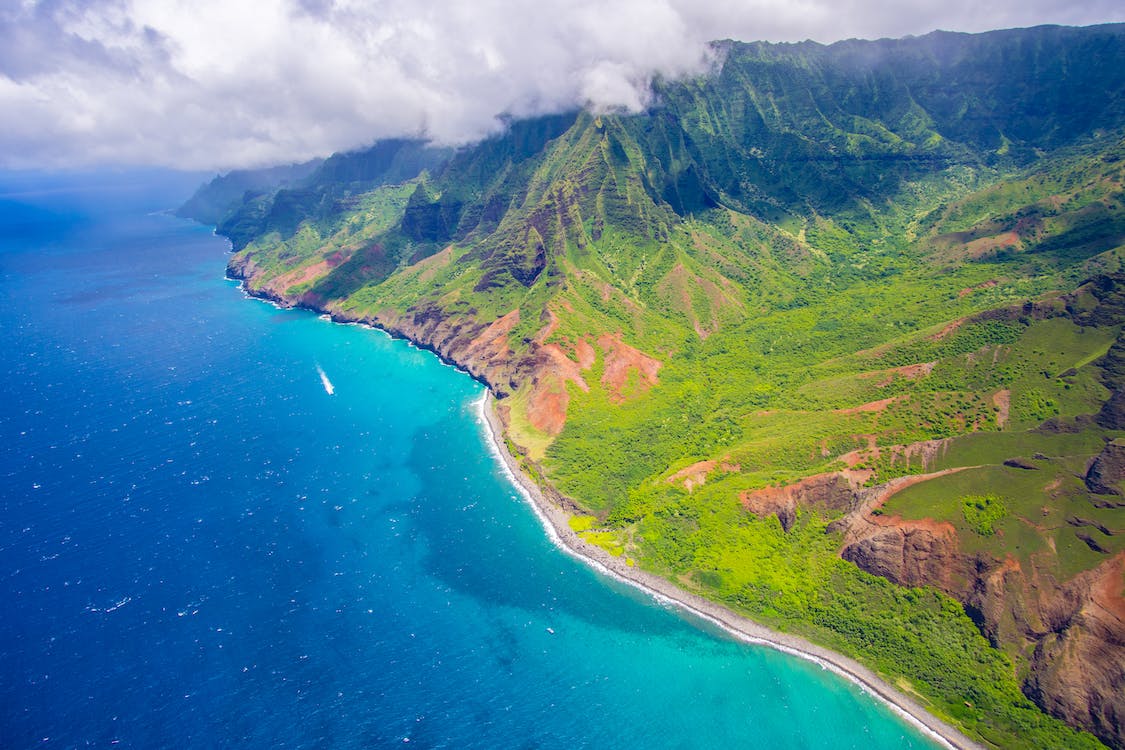
As a European living in Kona (Big Island), I sometimes see tourists get into weird situations. Hawaii is exceptionally beautiful, but you need to think about it as another (wild) country with its own rules. I’ve created this post to help you have a pleasant stay in Hawaii and avoid common problems.
I’m coming to Hawaii – where can I find <X>?
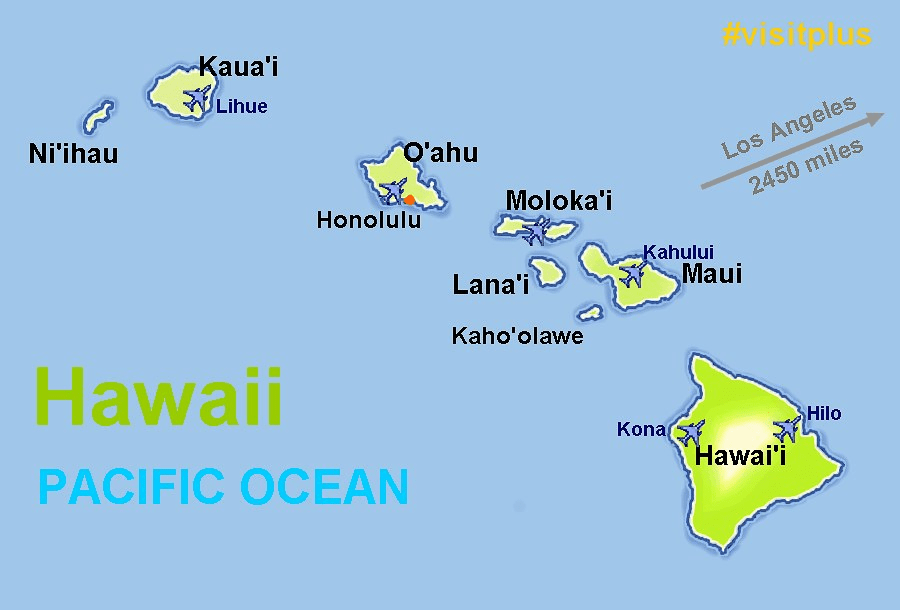
There is no single “Hawaii”. There are different islands, which are different and disconnected. For your search, do you mean Honolulu / Oʻahu? Or do you mean the Big Island (whose name is “Hawaii”)? I know, it’s pretty confusing. If you can tell us a bit more about your intended location / island, it will be easier to help you.
I’m coming to Hawaii to stay / work
You will need a visa to work legally. Work visas are hard to get – even for qualified applicants. For example, the H-1B work visa had 483,000 applicants in 2022. Only 83,000 applicants were selected (source). All these applicants have technical degrees (ex: often, an engineering degree) and a job offer from a company (who spent thousands in legal fees per applicant). So, you need a sponsor and a plan. If you don’t have a sponsor, you can apply to the Green Card diversity lottery. Perhaps you’ll be lucky and earn the right to work and live in Hawaii! Finally if you are coming to Hawaii to start a business, this may be possible and in fact easier. You will need an investment of at least $100,000 and a solid business plan.

I’m coming to Hawaii to volunteer
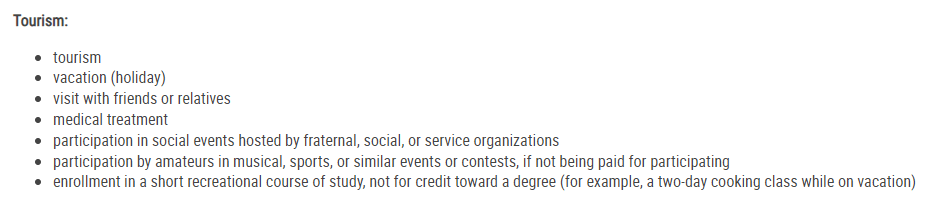
Volunteer often means “work ~25 hours a week in exchange for food and lodging“. This is not allowed under a tourist visa, unfortunately – even if you don’t get paid. You will in fact be working and supposedly “stealing work from US citizens”. While Australia or New Zealand have woofing or work/stay programs, the US doesn’t really have those. There are visas for temporary agricultural work and for internships (ex: J-1 visa). However, those visas require months of planning and a sponsor. Most of the time, volunteering is tolerated, but be careful with what you say to immigration officers. If you get sent back, it will be a horrible travel experience, and you may even receive a 10-year ban. Also, make sure you will not be exploited. Some people end up stuck in the middle of the jungle – without any transportation, not being fed correctly, and doing dangerous work. Consider talking to someone who’s volunteered before at your intended location.
I only have a small budget for my trip to Hawaii
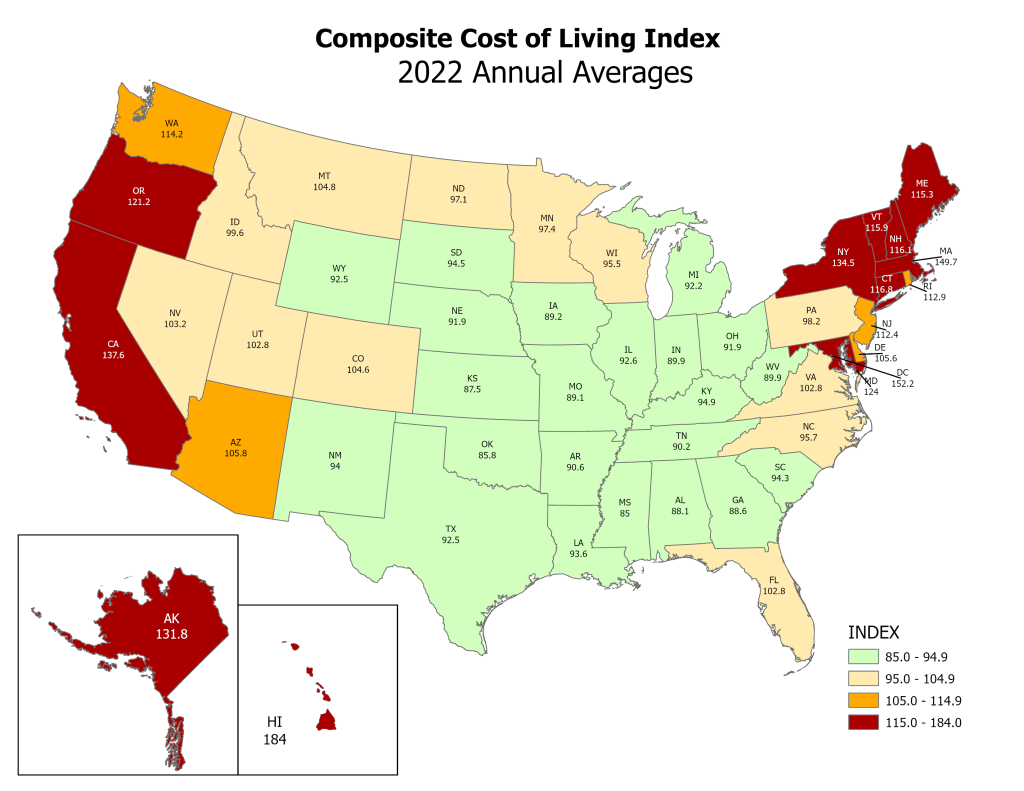
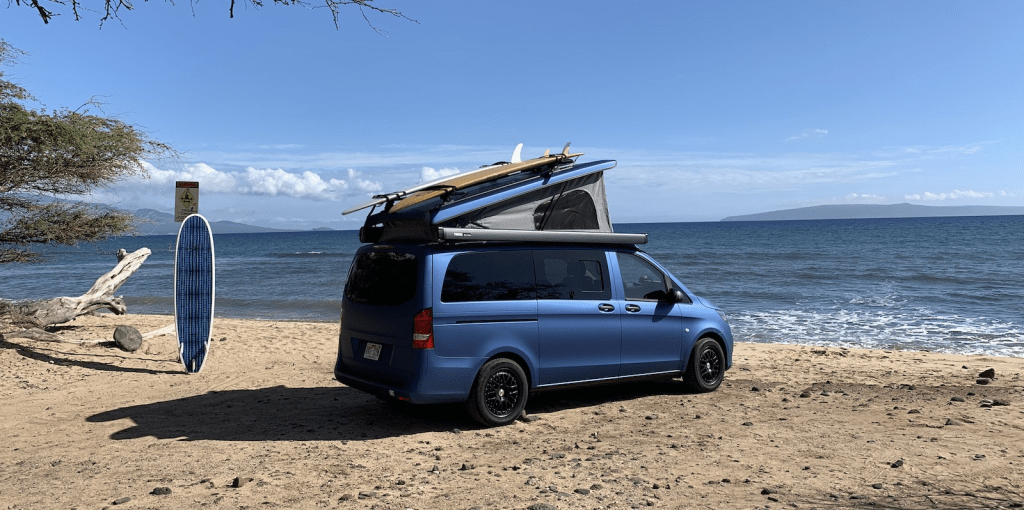
Hawaii is the most expensive state in the USA. Everything needs to be imported and there is a housing crisis (so real estate is expensive). The best way to save money is probably to rent a van you can sleep in and travel with. Otherwise, everything is rather expensive – hotels, gas, food, electricity, etc. It’s not going to be a deal breaker if you are here just a few days or weeks – but it’s good to be aware of the cost of living. If there is a Costco, consider purchasing a membership. Discounts are significant (this is where we purchase 90% of our food).
I will use public transportation
Outside of Honolulu, public transportation is either limited or completely non-existent. Without a car / van, you will NOT be able to go explore volcanoes, jungles, beaches, etc. For example, the Big Island is 10,430 km². It takes several hours to go from one side to the other (and many more hours to go around the island). I would highly recommend booking a car / van, and doing this well ahead of time. The rental fleet is limited and prices can go up quickly. Please take a look at Turo (an online app for car rentals) as an alternative to Hertz, Enterprise, etc.
I am looking for cheap accommodation
Hotels and resorts are all expensive due to the housing crisis and high cost of living. It may be a good idea to rent a campervan you can sleep in and commute with. There are camping spots, but you must reserve them well in advance. There aren’t a lot of youth hostels. You may also be able to find a ʻOhana stay (ex: a room in someone’s home) but please watch for scams. A typical hotel costs $150-$500 per night here in Kona, plus ~20% fees.
I have a question for the <French, etc.> community in Hawaii
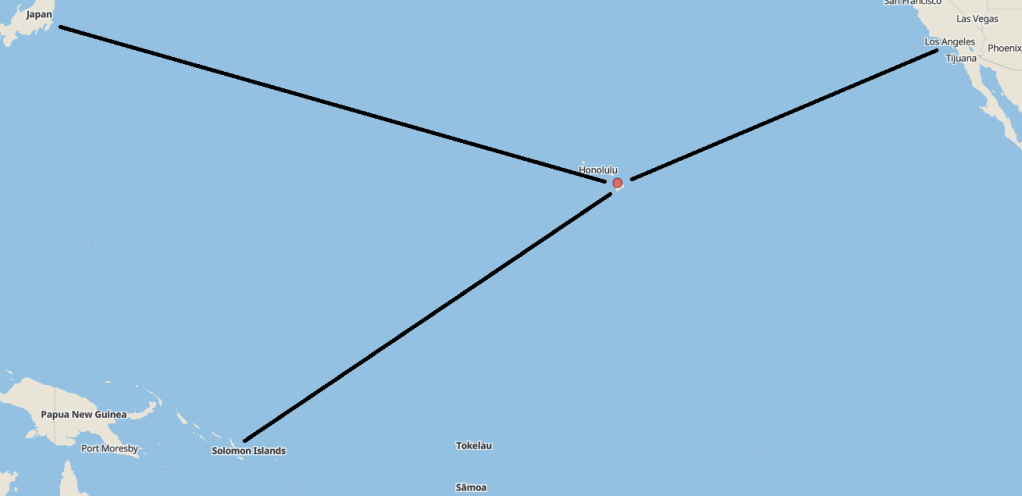
I live in Kona on the Big Island and there are only ~4 French nationals I know of living here. There are no French schools, no French travel guides, no French consulates, etc. Hawaii is one of the most remote human settlement in the world. We’re in the middle of the Pacific Ocean and very far from other lands. Your best bet is to connect with other travellers (past or present).
What else do I need to know?
- Do not leave your passport in your car. Ever!
- Use reef-safe sunscreen. Our coral will thank you.
- Respect wildlife. There are huge fines for getting too close to dolphins, sea turtles, monk seals, etc.
- Do not enter zones marked as “kapu” (forbidden). This should be taken seriously as some lands are sacred.
- Make sure you have enough money for emergencies.
- Purchase medical insurance. A medical evacuation to Honolulu can be very expensive.
- Always wash fruit and vegetables! Here is why.
- Always check the ocean when getting out of the water. Many tourists get hurt by strong waves because they face the wrong way when leaving the ocean.
 Randomized